
Let your body soften, your mind empty of that relentless to-do list, and settle in for a story.

Once upon a time…
That famous opening line is a cue to check your cynicism, adopt adventure, and hop on the hope bandwagon.
Can you feel yourself relaxing already?
Everything and anything seems possible with a good story.
Which brings me to the night I recently attended a workshop on Artificial Intelligence for Creatives at Alliance Francaise here in Nairobi.
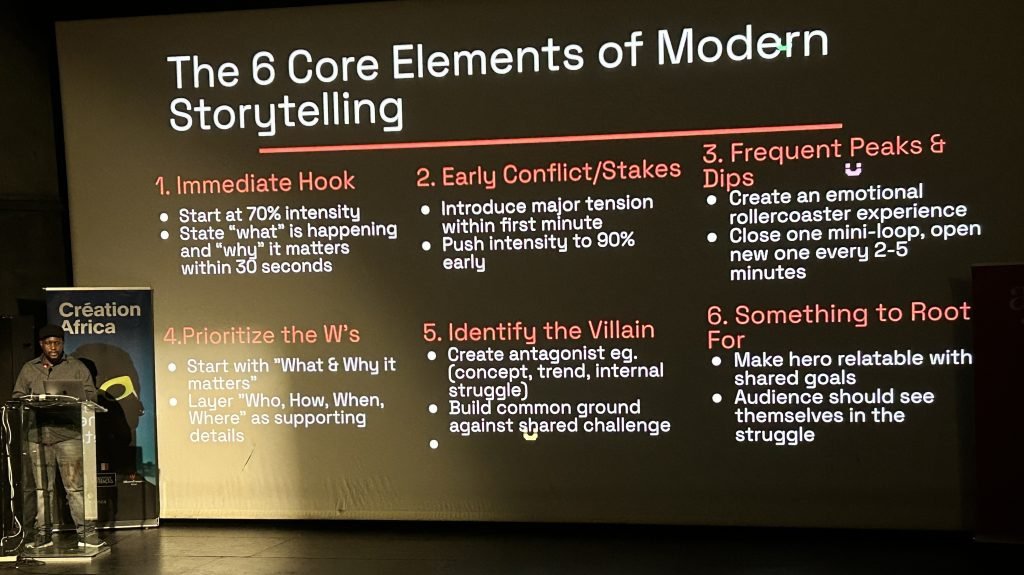
Shadrach Munene did a workshop on the six core elements of modern storytelling.
Which got me thinking.
These six core elements of modern storytelling work wonderfully for Learning and Development as well.
Let’s dig in.
Six core elements of modern storytelling and how they relate to Learning and Development:
1. Immediate hook
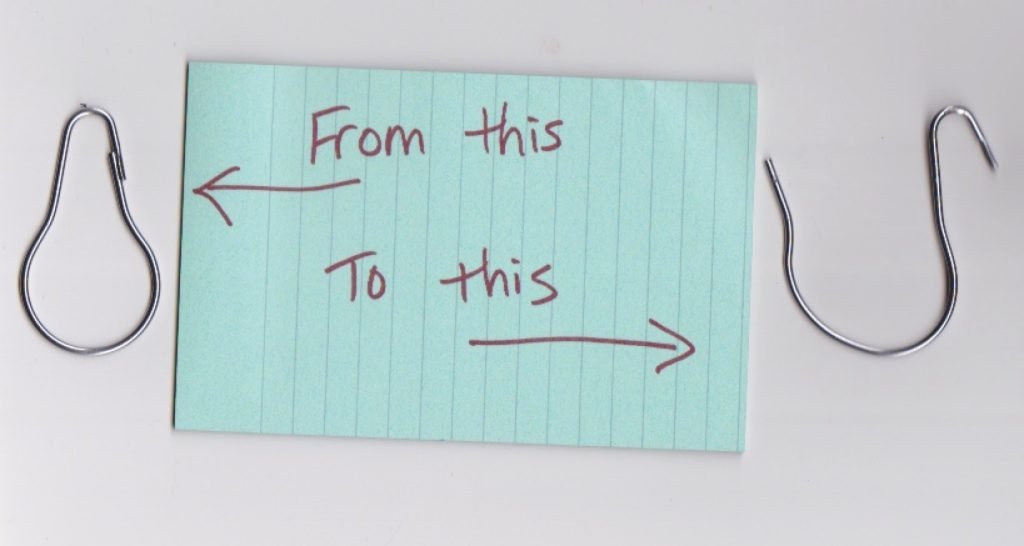
- Which option sounds better A or B?
A. Learn about which supplies to pack for any workshop you’ll give
B. Learn why a shower hook should always be in your workshop supply kit, along with other essential supplies for teaching
- B right!? That’s because A is a hook. A way of creating curiosity.
- And curiosity is catnip for humans. We will work very hard to resolve our curiosity, which is fabulous for learning.
2. Early conflict/stakes
- Address concerns, questions, pain points, problems
- This goes a long way to reassuring participants and helping them relax into the learning.
3. Frequent peaks and dips
- Address emotions, don’t shy away from them.
- Some of my most conflictual situations in a workshop (including getting Zoombombed) ended up being the most valuable learning for people. (More on that Zoombomb below in the learn, laugh, lead section.)
- Even altering the volume of your voice can introduce intriguing peaks and dips …. literally.
- There’s nothing like getting folks’ attention by whispering briefly. Everyone leans in so they won’t miss anything.
4. Prioritize the W’s – What and Why it matters
- Be uber clear about what you’re covering in the workshop and why it’s important.
- Bonus: Build in ways from the very start to help participants apply their learning long after they’ve left your workshop – this will go a long way in demonstrating why your content matters.

5. Identify the villain
- Maybe not a villain so much, but be sure to address challenges and real-life concerns that come up.
- Don’t shy away from conflict.
- See point 3.
6. Something to root for
- Involve participants – engage them, introduce lots of interactive activities/FGLAS (facilitated group learning activities), encourage (and reward) questions, comments, insights, offering of resources, opinions, etc.
- Motivate participants in a variety of ways (find out your motivation style below and be sure to include all styles in your workshops).
Between hooks, conflicts, peaks and dips, W’s, villains and rooting rah-rah, you’ve got some hefty helpful tips not just for storytelling but for workshop design and delivery.
Your next workshop participants will thank you.
Now go on and learn, laugh, and lead

Learn
- That Zoombomb experience? Find out more here: How not to freak out when your online meeting gets Zoombombed (speaking from experience)
Laugh
- When the story just simply isn’t getting through….
Lead
- Discover your personal motivation style and be sure to include all the styles in your workshops.
P.S.
- Interested in learning more about AI (which spurred this post based on the AI for creatives workshop)? I’ve designed a custom intro AI workshop for a UN agency, which was uber well received. If you’re interested, reach out, let’s chat.


Leave a Reply