
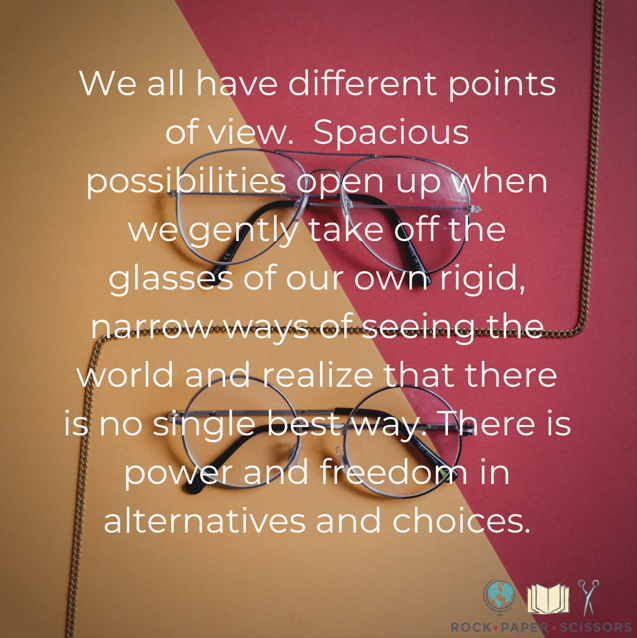
In the excellent HBR article To Change the Way You Think, Change the Way You See, by Adam Brandenburger, he makes the claim that seeing differently leads to thinking differently.
And that leads to “seeing what no one else has yet seen. This is how the future is built.”
Big, bold brains do this.

“Great creators, innovators, and entrepreneurs look at the world in ways that are different from how many of us look at things. This is why they see opportunities that other people miss.”
But why is it so hard to see differently?
“Our brains are designed to stop us paying too much attention.” We’re in a rush. We grab a quick snapshot of what’s in front of us and we move on.
You can see this in action with the Troxler illusion, where you’ll stop seeing what’s right in front of you.
Try it. Stare at the plus sign for 30 seconds or so and what’s outside of it will start to disappear.
How do we ensure that critical things we should be seeing don’t disappear?
How do we see differently?
A critical step includes “looking at the familiar in an unfamiliar way.”
So let’s go on a journey to see and then think differently by un-familiarizing ourselves.
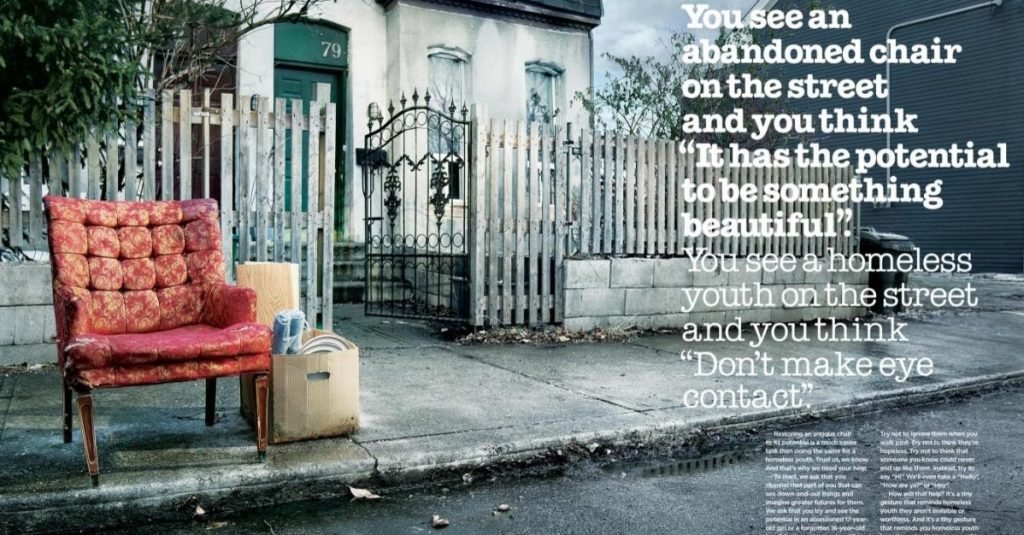
One suggestion from Adam is to practice renaming things. What else could a chair be called? How about a gravity defier? A butt station?
Pro tip: Kids are naturally great at this. Ask a kid to practice with you.
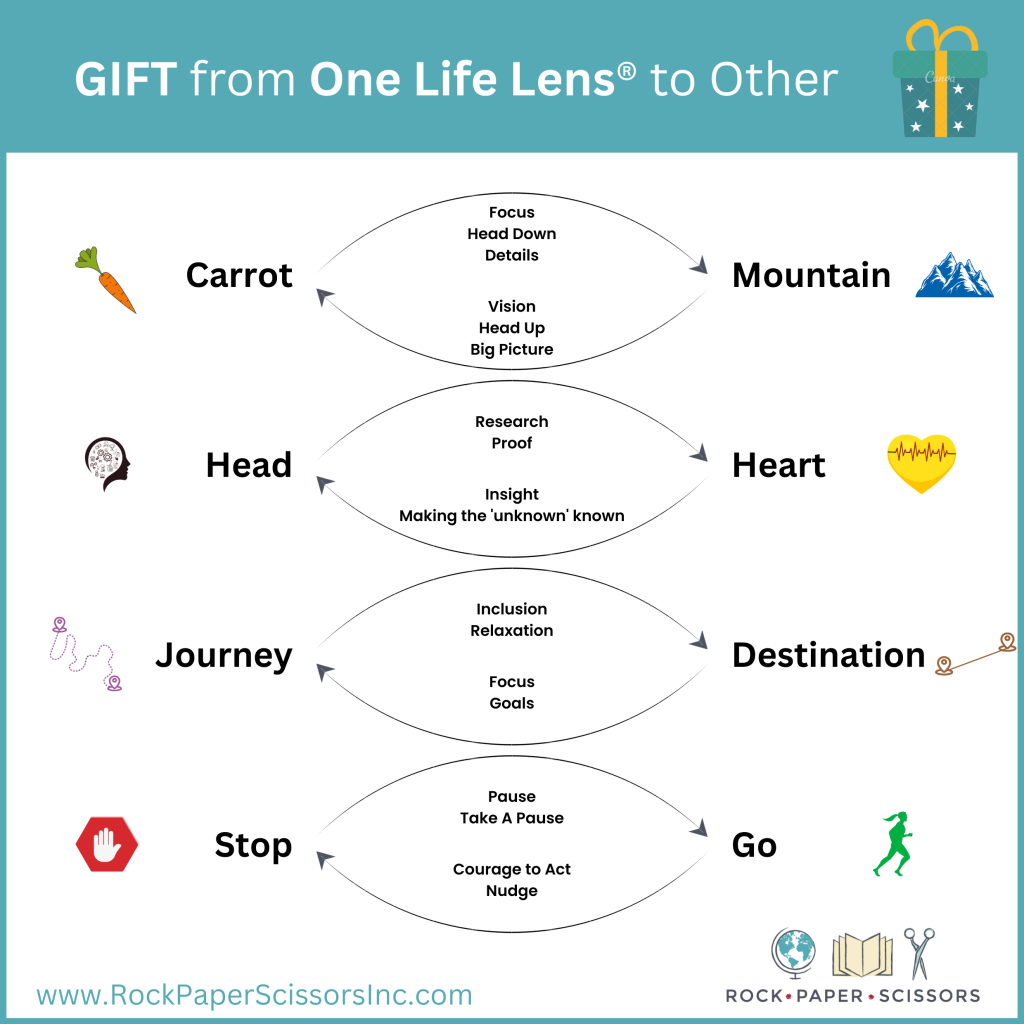
One way I regularly practice seeing differently is by using the gifts of the opposite Life Lenses® than I normally use.
Timeout: You can find out what your Life Lenses® are here by taking my free assessment.
Discover your Life Lenses® and then come back to this post to practice using Life Lenses® that aren’t your first go-to.
Here are examples from my own Life Lenses®
I tend to look down and focus on details, aka a Carrot Life Lens®. So I get big insight when I deliberately look up like Mountain Life Lenses®.
My usual practice is to look straight ahead and keep my eye on the goal, like a Destination Life Lens®. When I strategically look around me, at the process, like a Journey Life Lens®, insight follows.
Usually, I focus on the facts first, like Head Life Lenses® but when I stop and check my intuition, like the Heart Life Lenses®, I always make better decisions.
My place of comfort is to think before acting, like a Stop Life Lens®. But when I deliberately jump to action and step on the gas, like a Go Life Lens® all sorts of new options appear.
Now that you’ve got two ways to practice seeing differently, by un-familiarzing yourself and using the Life Lenses®, pick a topic, a conflict, or a challenge, and look in those directions. You’ll see differently and that will help you think differently.
Have fun and enjoy your new perspectives.
Now go on and learn, laugh, and lead
Learn
- Speaking of thinking and seeing differently, don’t forget to RSVP for the March 21st Learning and Development Roundtable on the critical benefits of critical thinking and how to do it.
Laugh
- Check out these hilarious examples of kids seeing and thinking differently.
Lead
- Join our community and receive regular invitations to every Learning and Development Roundtable plus get access to all eleven-plus years of Roundtable resources all for free! Easy peasy. Sign up here.
P.S. For UN Staff only
- I’m leading two online workshops for UN staff. One on Work-Life Balance (April 17/18 and May 15/16, for two hours each and one on Effective Online Presentations (April 17/18, May 14/15 and June 19/20). Click on the links for more information including how to register.
- If you’re interested but you’re not a UN staff please reach out to me!
- Here’s what past participants have said:
- On WLB: Lots of new insights- with hands-on tips and inspiration
- On Effective Online Presentations: Lee-Anne’s engaging skills are just amazing.


Leave a Reply