
I fall asleep most nights listening to a podcast. When I listened to this one, I made a mental note to share it with you, because it’s so profound and so simple.
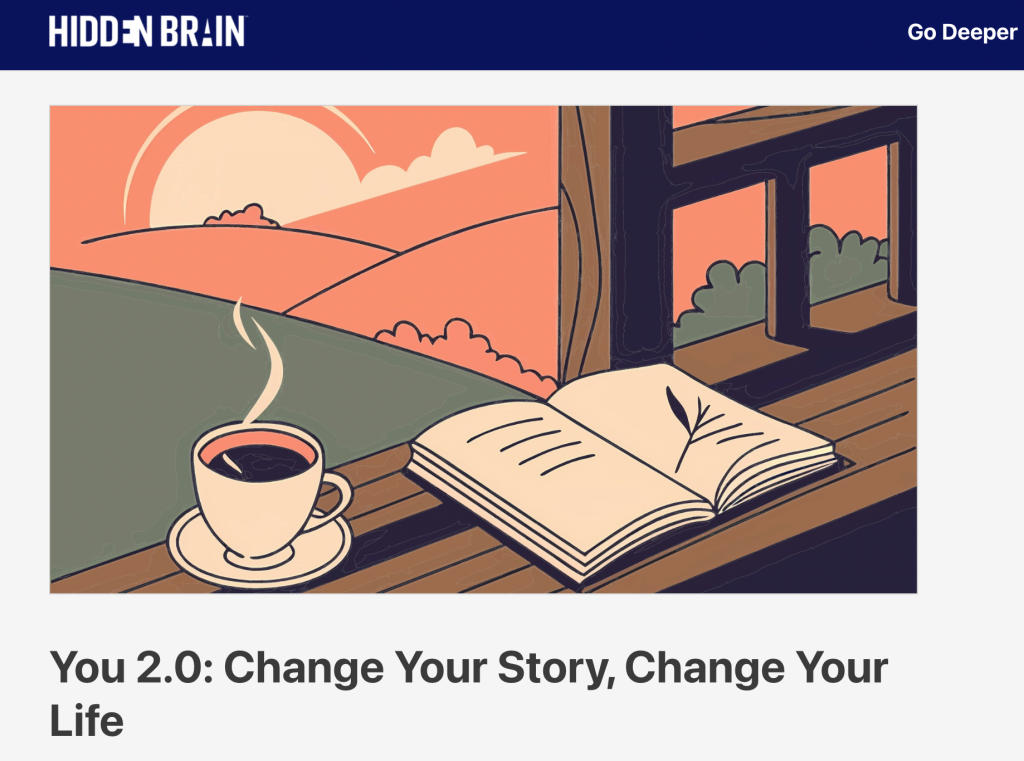
The podcast in question is the most excellent Hidden Brain, hosted by Shankar Vedantam. In this particular episode, “You 2.0: Change Your Story, Change Your Life,” he interviews psychologist Jonathan Adler.
Did you know you are a storyteller?
Think about it. All of these are examples of stories we tell ourselves and others:
- Regaling your friends with that embarrassing gaffe you made a while back
- Recounting a pivotal moment in your life
- Interpreting our boss’s reaction to that pressure-crunched situation last week

“We all tell stories about ourselves, often without realizing we’re doing so. How we frame those stories can profoundly shape our lives.”
Let’s talk about framing. As you know, I’m a huge fan of all things perspective. How we interpret, frame, and slap on a particular viewpoint to almost everything we do, encounter, feel, think etc.
And that goes for our stories.

Here’s more on that including two particular kind of stories:
- “Stories that we narrate as starting bad and ending good, we call that a redemption sequence.” Think Hollywood’s enemy to lover rom-coms as an example.
- “Stories that start good and end bad, we call that a contamination sequence.” Think that voice in your head that can berate you more than you would your worst enemy.
- However, and here’s the kicker, where we start and stop our story can make all the difference in the world, including the difference between a redemption or contamination story.
I love this!
Specifically what it can do for our beleaguered selves in this particularly messy chapter of global going ons.
If you’re overwhelmed, anxious, stressed, angry etc., with your particular contamination story, know that it’s not the end of the chapter nor the book. Look to add another chapter and for ways to turn it into a redemptive story.
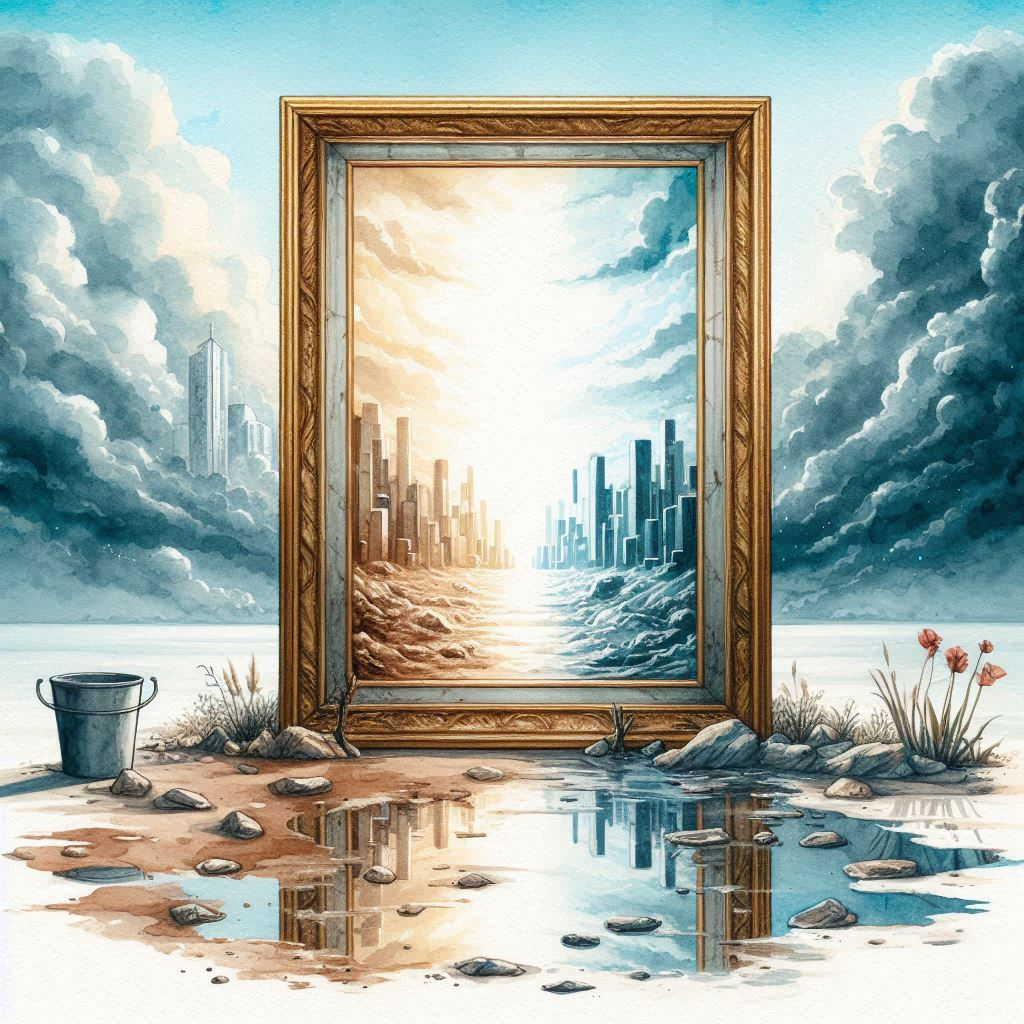
Here’s how you can do just that – from contamination to redemption
- Use ChatGPT for inspiration
- Talk to a friend about ways forward
- Book an appointment with a professional (for real or imaginary) and seek input
- Use an App for guidance (for upcoming World Mental Health Day, October 10th, I’m going to be writing a post, singing the praises of just one such app)
Adjust your perspective. Play around with where you stop and start your story. It will almost certainly make a huge difference.
Now go on and learn, laugh, and lead

Learn
- Take a listen to the podcast You 2.0: Change Your Story, Change Your Life and/or read the transcript.
- Try your hand at my fun, collaborative storytelling tool.
Laugh
- Check out this zombie-like contamination clip.
Lead
- Take some time to potentially rewrite your stories. Look at where you’ve naturally put a period, a stop, and see what happens when you continue them. Can you turn a contamination story into a redemption story?
- Need some help with that? Use my free Life Lenses®personality assessment to help you shift your perspective.


Leave a Reply