
There were men with big rifles on the side of the road.
If I were in Kenya or Somalia, it’d be a whole other story.
But I wasn’t.
It was a misty Tuesday morning in rural southern France, and I was out for a drive.
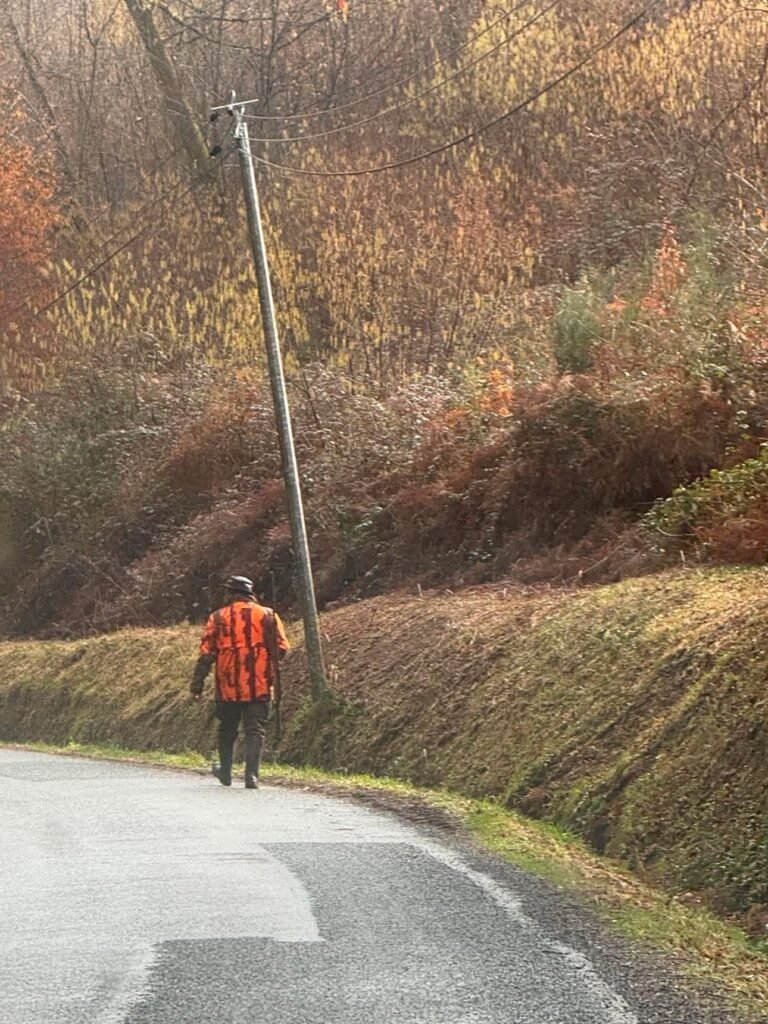
The men were hunters on the lookout for sanglier/wild boar. They were gathered roadside, the way people in other countries might gather at a bus stop. Completely ordinary to everyone around them.
Not alarming, exactly. But not nothing, either.
Completely startling to me.
And that, right there, is the whole point of this post.
When the Lens Shifts
I’ve been going back and forth between Turkey and France lately, after living the past 14 years in Kenya, and France keeps doing this thing to me. It keeps stopping me mid-thought, mid-bite, mid-conversation, and making me see something I didn’t expect to see.
Not just about France. About everything.
About how I live. What I assume. What I’ve decided is “normal” without ever actually deciding it.
That’s what travel does when you let it. It doesn’t just show you a new place. It holds up a mirror. A slightly uncomfortable, surprisingly useful, wildly illuminating mirror.
Here’s what France has been showing me lately … and what it might show you too, without you ever leaving your desk.
Some things are different in ways you won’t expect. Here are 8 of them. And in my next post, I’ll share how it all relates to you and things you can try yourself.
1. The friendships run deep or not at all
In many cultures, there’s a warm middle layer of friendship … acquaintances who become friends-ish, the colleague who turns into someone you text, the neighbour who ends up at your dinner table.
In France, that layer is much thinner. You’re either an acquaintance or you’re in. Being invited into someone’s home isn’t casual. It means something.
Friendships are warm … once you’re actually inside.
The lens shift: Knowing this changes how you read people. Someone who seems reserved isn’t cold. They’re just French. The invitation, when it comes, will actually mean something.
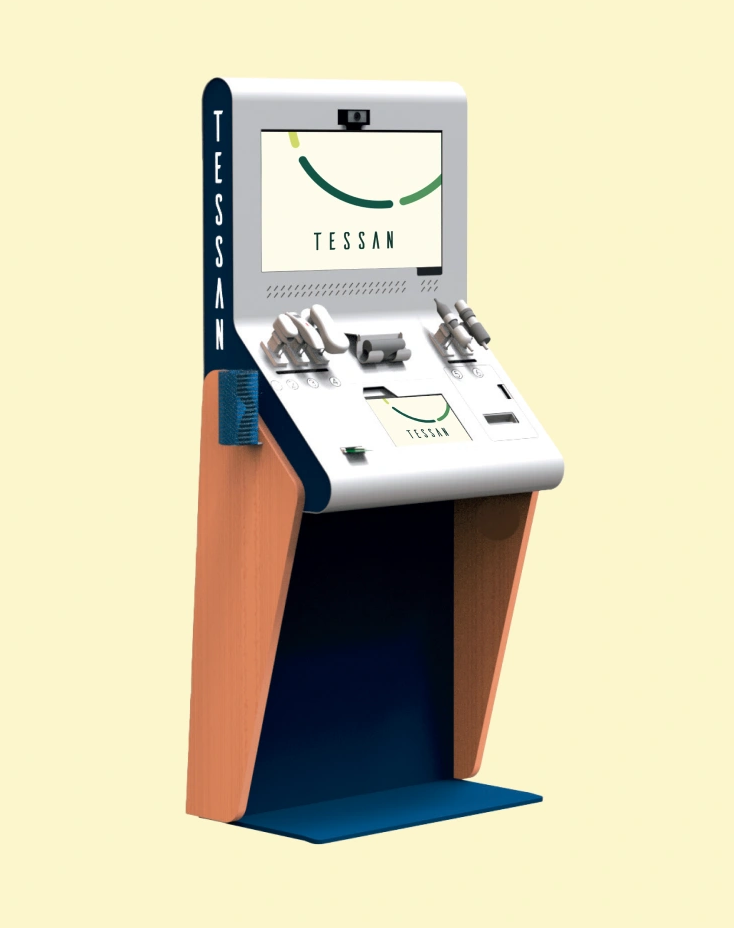
2. Lots of surprising things come in boxes: the “doctor in a box” exists, and it works
In our local village chemist (pharmacy), I found a computer kiosk (similar to the one above) … a little booth where you can get a medical consultation without an appointment, without a wait, without the particular chaos I’m used to elsewhere.
I stood there blinking at it for a solid thirty seconds.
It works. Poof! Within five minutes, I was speaking to a doctor.
It’s practical. It’s just a completely different way of thinking about what “getting medical help” looks like.
BTW, pizza also comes from a box. A vending machine box, to be precise. Warm pizza, dispensed like a snack or cold, which you reheat when you get home. Your choice. At first, it seemed absurd. Then I was grateful for it at 10 pm when nothing else was open. (You can also get warm baguettes and steaks from vending machines.)
The lens shift: Culture is a bit like a box. You can stay within your own cultural framework, your box, or you can step out and into others. I highly recommend the latter.
3. Rhythms reset: the light at 8:30 pm in summer is genuinely disorienting.
France is not on the equator, which is what I was used to, having lived in Kenya for 14 years. So here, in France, the summer sun sets late.
I knew this intellectually. I did not know it in my body until I looked up from dinner and realized it was practically bedtime and the sky was still gold.
Your whole sense of rhythm shifts. When do you rest? When do you stop? The body gets confused in the most interesting way.
The lens shift: Rhythm reset? You bet. Yes, and high five to that.
4. The recycleries and dechetteries are next level
A dechetterie is essentially a recycling and waste drop-off centre (with about a zillion different categories), and in France, they are organized, well-used, and treated as a normal part of life. Roll up with a carload of stuff to drop off, and the staff are quickly there to help you.
A recyclerie is the next step … items get repurposed, resold.
The lens shift: I came away thinking about how much I throw away that could be somebody else’s something. That’s definitely a shift.
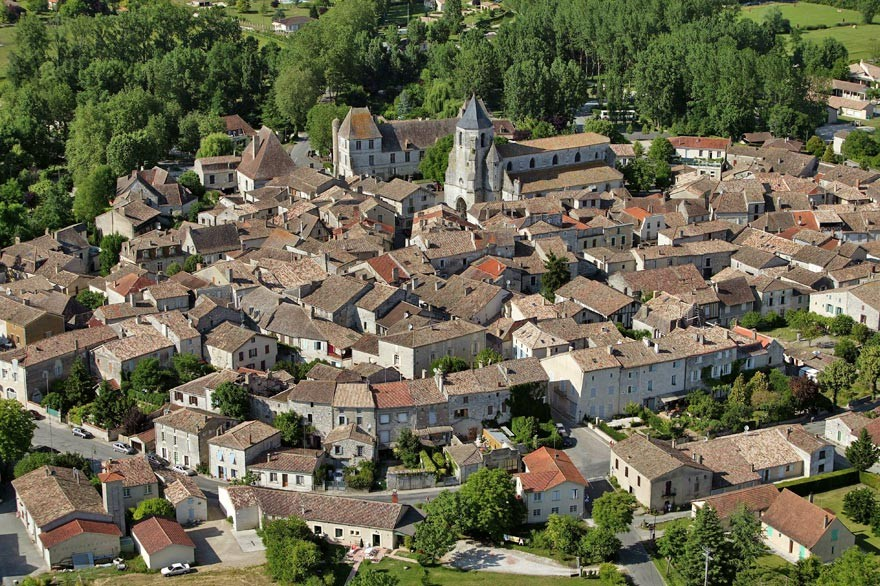
5. Medieval villages reinvent themselves.
‘Old’ takes on a different meaning. Our home in France is 400+ years old. You can see the marks in the ancient stones where the grain was originally dropped to feed the animals.
There are villages in France that have been standing for centuries. And yet they’re not museums. They’re alive with markets, festivals, musical events, Pride Parades, young families, and new businesses inside ancient stone walls. The old and the new coexist so naturally that it starts to feel like a philosophy.
The lens shift: Reinvention doesn’t require burning it down. Sometimes it just requires opening a new door in a very old wall.
6. Quality over quantity is not a cliché here. It’s lunch.
You can eat anything you want in France, and it just… tastes better. Smaller portions. More pleasure. Unhurried.
I’ve started paying more attention to what I was actually eating, rather than how much of it.
The lens shift: I came back (to Turkey, in this case, where, ironically, I’m writing this from) thinking about what else in my life I’d been consuming in quantity when quality was what I actually wanted.
7. Tap water. Just tap water.
After a long stretch in places where tap water is not reliably safe to drink, the simple act of filling a glass from the tap feels like a tiny luxury.
The lens shift: Basic needs, when they’re reliably met, stop being basic. You notice them. You’re grateful.
8. Learning French is hard. It’s also a window.
I’ve been trying. I’m not succeeding spectacularly, but I am making progress. Most people reply in French now when I speak to them rather than English (FTW!).
Even getting a few words right, fumbling through a short exchange, gives me something I can’t get from a translation app: a sense of how the language thinks.
French has grammatical gender for everything. It has layers of formality. It prioritizes certain things in a sentence that English doesn’t.
The lens shift: Language isn’t just communication. It’s a worldview made audible. And when I swear I can hear the gears in my head grinding from the hard work, I switch my perspective. I think my brain is working so hard that it must be a means of preventing Alzheimer’s.
A misty roadside encounter with boar hunters in rural France became this jumping-off point for a Life Lenses® look at how much of “normal” is really just the lens we’re looking through. I shared eight small, disorienting observations from life there, each one a mirror on unexamined assumptions back “home.” Want to learn more about your own perspective? Take my Life Lenses® assessment.
Then watch for my next post about more of what this has to do with you and specific things you can try to shift things up a little (note: moving countries is not a prerequisite).
Take Action Now – go on and learn, laugh, and lead

Learn
- Think of a time you misread a situation because you were looking through your own lens without realizing it. What would have changed if you’d gotten curious first?
- Want to get tidbits like these delivered to your inbox every week? Simply sign up here, and voila they’re yours.
Laugh
- I stood in front of a pizza vending machine in France for a full minute trying to decide if this was brilliant or the end of civilization. Reader, I bought the pizza. It was fine. The lens shift was better. (This isn’t our village’s vending machine, but it’s similar.)
Lead
- Want to find out which lens you’ve been wearing — and how it’s shaping your relationships, your decisions, and your blind spots? The Life Lenses® assessment is a great place to start. Take the Life Lenses® assessment here.
P.S.
- The Roundtable is on summer break and returns in September. Watch this space for details. In the meantime, if the Life Lenses® framework is making you lean forward, the assessment is here, and it’s the closest thing to X-ray specs I’ve found for understanding the people around you.
Since 2009, I’ve been writing weekly posts across five topics. Click into whichever one makes you lean forward just now … you’ll find everything I’ve written on that topic waiting for you there.
- Working Better Together – communication, conflict, creativity, collaboration, change. The so-called soft skills that turn out to be the hardest ones.
- Learning and Development – practical tools and fresh thinking for your own growth … because you deserve the same attention you give everyone else.
- Training of Trainers – if you’ve ever been asked to teach, train, or share your expertise with a group, this one’s for you.
- Tech Tools – not the scary kind, I promise. The kind that saves time, cuts overwhelm, and makes you look and feel like a rockstar.
- Life Lenses® – because the lens you look through changes everything. Posts on perspective, perception, and the Life Lenses® framework for understanding why we all see things so differently.


Leave a Reply