
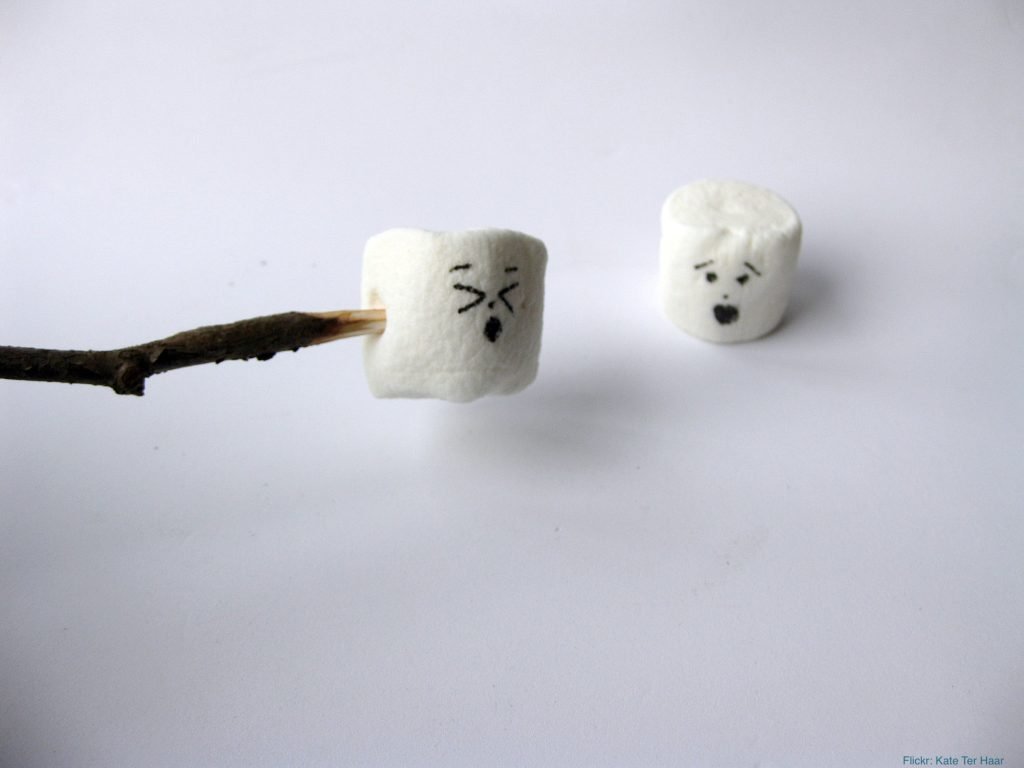
Let’s talk marshmallows, shall we?
Remember the Marshmallow Experiment? It’s a classic psychology test where kids are offered a choice: gobble up one marshmallow now or hold off and score two marshmallows later. The idea is to see if they can resist temptation and wait for the bigger reward.
What’s the big deal about being able to wait and delay gratification you may ask?
Turns out a lot.
“In follow-up studies, the researchers found that children who were able to wait longer for the preferred rewards tended to have better life outcomes, as measured by SAT scores, educational attainment, body mass index (BMI), and other life measures.” Wikipedia
Now, back to those marshmallows.
Picture this: a group of kids, living in a shelter, eagerly awaiting goodies. Sounds heartwarming, right?

But here’s the kicker—context is both king and queen.
Turns out the marshmallow test is more a test of privilege.
Kids have to believe and trust that the marshmallows will be there if they decide to stave off temptation.
With limited space and resources in shelters, the kids have zero wiggle room to wait for their treats.
Survival mode kicks in, and it’s eat-now-or-bust.
So, what does this have to do with the Marshmallow Experiment?
It’s a wake-up call about more than just willpower. It’s about the structural barriers (in this case poverty) that keep people from making strategic choices for the future.
What’s worse, individuals can often get blamed for the very structural barriers they face.
For these shelter-bound kids, delaying gratification isn’t a fun challenge—it’s a luxury they can’t afford.
Sure, we’re all about personal growth and self-control. But let’s not forget the bigger picture. We’ve got to tackle the systems that stack the deck against folks from day one.
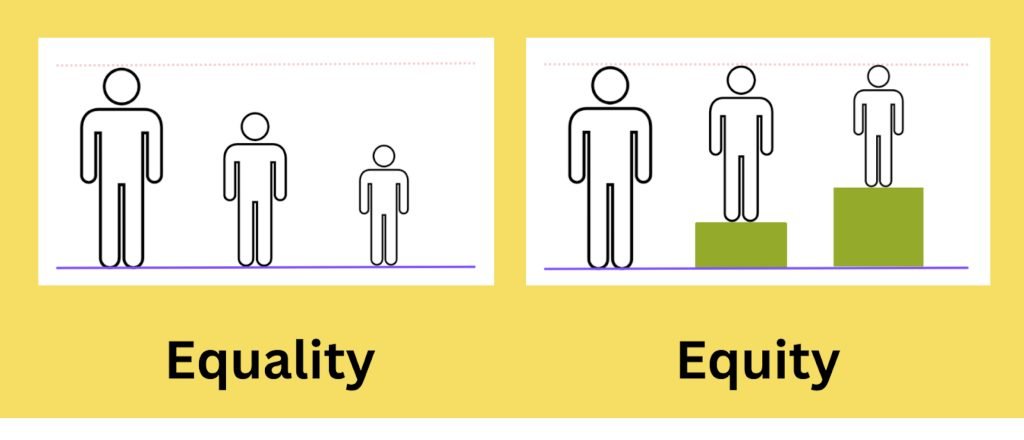
That means fighting for fair policies and leveling the playing field so everyone has a shot at success.
Bottom line?
The Marshmallow Experiment 2.0 reminds us that change isn’t just about what we do as individuals.
Change is about context and fixing the broken systems that hold people back.
It’s about focusing not just on individual change but systemic change as well.

So, let’s roll up our sleeves, challenge the status quo, and build a world where everyone can thrive.
Now go on and learn, laugh, and lead
Learn
- Read more about this in the Hidden Brain podcast with Celeste Kidd
- Have you registered yet for this week’s Learning and Development Roundtable on Critical character skills (or how to be a good human)? There’s still time but hurry.
Laugh
- The (marshmallow) struggle is real.
Lead
- Share the Learning and Development Roundtable registration link with a friend or colleague and attend together.
P.S. For UN Staff
- I’m leading two online workshops for UN staff:
- Work-Life Balance (April 17/18 and May 15/16, for two hours each) “The workshop was empowering and enriched me with valuable topics which will have a positive impact on my working environment”
- Effective Online Presentations (April 17/18, May 14/15 and June 19/20). “Lee-Anne was pleasant, she knew her subject. I loved the new skills and tips I got and most important she shared the resource portal for future reference.”
- Click on the links for more information including how to register.
- Not a UN staff member? Please reach out to me. Let’s talk!


Hi readers; I had a reader share this resource with me and thought you might like it as well.
“Hi LeeAnne,
Thanks for yet another thought provoking share…
You might find this interesting…https://medium.com/@eec/this-equity-picture-is-actually-white-supremacy-at-work-59f4ea700509 ”
It’s such a good read. I highly recommend it. Thanks for sharing Manuela.